
Napa · Sauna Builder Services
Infrared Saunas
Infrared rooms and cabins with low-EMF carbon or full-spectrum panels, installed indoors or under cover, wired to code and sized for comfortable sessions at lower air temperatures.
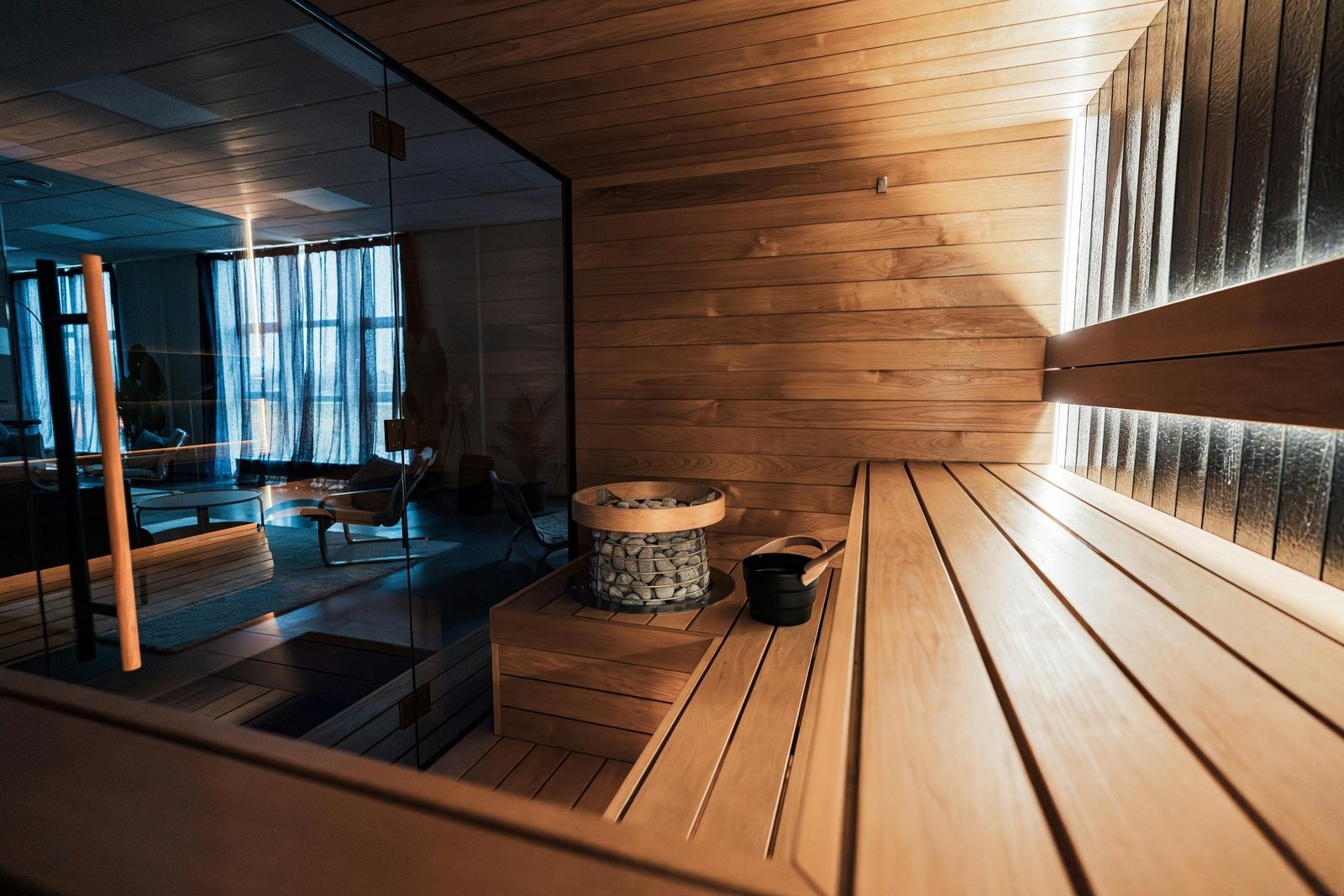
How radiant heat rooms work
An infrared sauna warms the body directly with emitter panels, so the air stays around 120 to 150 degrees while you sweat freely. That lower air temperature suits people who find a Finnish room too intense, and it is easier on the power bill during long, hot Napa summers. We install cabins from Sunlighten and Clearlight, and we also build infrared rooms from scratch in cedar or basswood with panels placed where your back and legs will actually be.
Infrared rooms are compact, and they often fit places a stone heater cannot, such as a primary suite in Westwood, a home office in American Canyon or a finished garage. Many run on a 20-amp circuit. The skill is in panel placement, shielding and wire routing, because a badly placed emitter leaves cold spots and a badly routed cable adds unwanted EMF near the bench.
Some clients want both kinds of heat, and our traditional saunas can take infrared backrest panels as part of a hybrid design. Cabins set outside need a roof and a dry base, which is covered by our work on outdoor saunas. If an existing cabin has a dead panel or a controller fault, our sauna repair service can usually bring it back without replacing the unit.
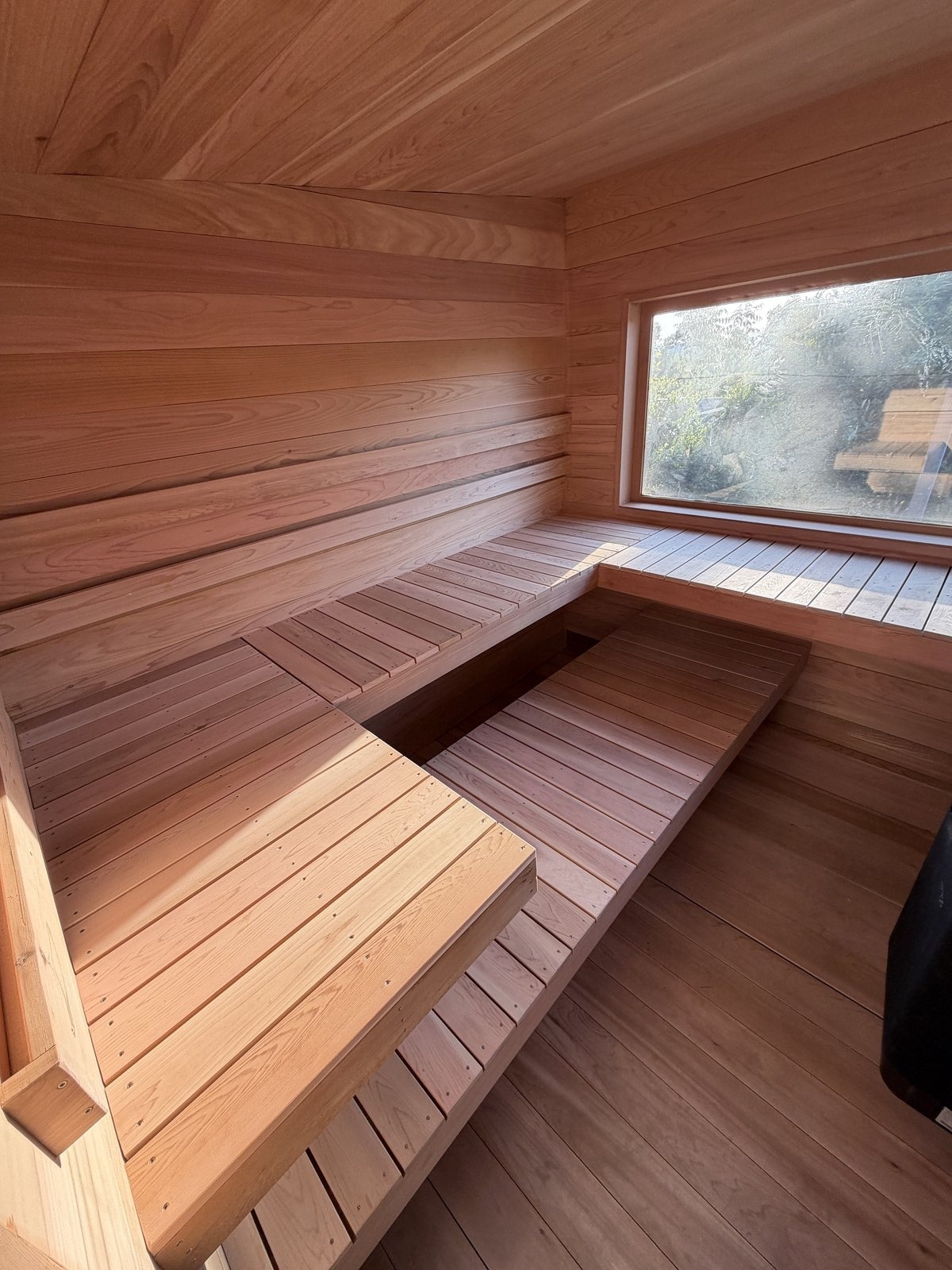
Why our infrared rooms feel even
Most complaints about infrared come from uneven coverage. We map panel positions to the seated body, keep wiring in shielded runs outside the cabin and meter EMF at the bench before handover. As a licensed and insured contractor, we also handle the circuit and any permit work. Owners comparing heat types can talk to our home sauna specialists about which suits their household.
- We install carbon, ceramic and full-spectrum emitters and explain the tradeoffs plainly.
- We measure EMF at the bench with a meter before we leave.
- We run shielded cable outside the hot room wherever possible.
- We build infrared rooms in cedar, basswood or hemlock for low scent.
- We place panels at calf, lower back and shoulder height for even warmth.
- We register manufacturer warranties in your name.
Good reasons to choose infrared
Infrared fits certain homes and certain people especially well. These are the cases where we recommend it most.
You prefer a milder session
At 130 degrees the air feels warm rather than scorching, so sessions of thirty to forty minutes are comfortable. Many people who struggle with a hot rock room enjoy infrared straight away.
The panel has little spare capacity
A two-person infrared cabin can run on a 120V or 20-amp 240V circuit, which often avoids a service upgrade in older homes around Napa.
The room is small
With no stone heater and fewer clearances, an infrared cabin can fit into a closet or a corner of a bedroom. We have built them into spaces about four feet square.
You want quick heat-up
Most infrared rooms are ready in ten to fifteen minutes, which suits a weekday routine before work or after a long harvest shift.
You are sensitive to strong wood scent
Basswood and hemlock have almost no smell, and at lower temperatures they release little resin. That makes them good choices for people with allergies.
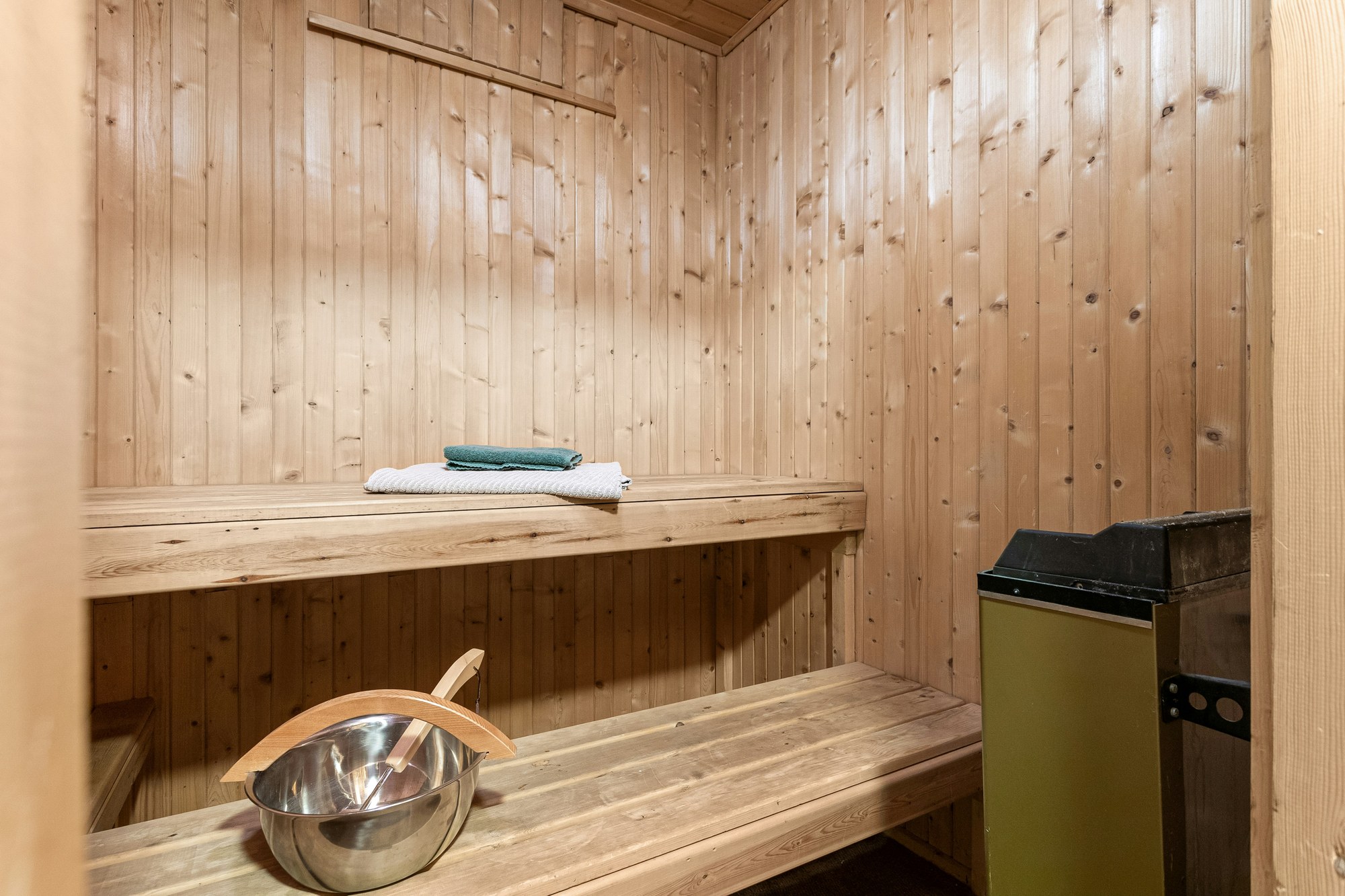
From consultation to first session
Choosing the unit
We compare prebuilt cabins with a site-built room for your space, then check panel capacity and the route for the circuit.
Preparing the space
We level the floor, add the outlet or hardwired circuit and make sure there is airflow around the cabin walls.
Assembly and wiring
Panels are mounted, wiring is dressed and shielded, and lighting and speakers are connected. Site-built rooms get their paneling and benches at this stage.
Testing
We run a full session, check surface temperatures and EMF, and show you the controller and cleaning routine.
Details inside an infrared cabin
Infrared rooms have their own set of details. These are the ones we discuss with most clients.
Emitter types
Carbon panels spread gentle heat over a wide area. Ceramic elements run hotter in a smaller spot. Full-spectrum units add near and mid infrared for owners who want them.
Wood and wall construction
Canadian hemlock, basswood and cedar walls over insulated framing, with a vapor-open build since infrared rooms stay drier than steam or Finnish rooms.
Benches and posture
Deeper seats and reclining backrests help you sit close to the panels for longer sessions, and we can add a foot panel under the bench.
Controls, lighting and audio
Inside and outside touch panels, chromotherapy lighting, Bluetooth speakers and app timers are available on most cabins we install.
Ventilation
A small intake and exhaust keep the air fresh during long sessions and prevent condensation on glass doors in cooler months.
What an infrared room costs
Installed infrared cabins in Napa County usually run from about five thousand dollars for a two-person unit to twenty thousand for a custom-built room. The main factors:
- Cabin size and number of seats.
- Emitter type and the brand of the unit.
- Whether the circuit is a simple outlet or a new hardwired run.
- Site-built rooms versus assembled cabins.
- Extras such as lighting, sound and upgraded glass.
We quote a fixed price after seeing your space. For owners unsure whether infrared or a stone heater suits them, we price both options on the same visit so the comparison is easy.
Frequently Asked Questions
How do traditional saunas compare to modern infrared saunas?
A stone heater warms the air to 170 degrees or more and lets you add steam with a ladle. Infrared warms your body directly at 120 to 150 degrees, heats up faster and uses less power. Many Napa owners choose based on how much heat they enjoy.
Do infrared saunas need a dedicated circuit?
Small cabins often plug into a dedicated 120V or 20-amp outlet. Larger rooms need a hardwired 240V circuit. We check the manufacturer's requirements against your panel.
Are infrared saunas safe in terms of EMF?
Quality low-EMF panels and careful wire routing keep levels low at the seat. We measure with a meter after installation and share the readings with you.
Can an infrared cabin go outdoors?
Only models rated for exterior use, and even those do best under a roof on a dry base. Morning fog in Carneros and winter rain are hard on panels left exposed.
Is a sauna in your house worth it?
If you will use it three or four times a week, most owners say yes. Infrared makes that easier because it heats in minutes and costs little to run.
See all FAQs on our FAQ page.
Planning infrared saunas in Napa?
Describe the space you have in mind and we will send a free written estimate with no obligation attached. Use the form or give us a call, and we will help you sort out what suits your site, your electrical service and your budget.
Or call us now: 707-723-1361